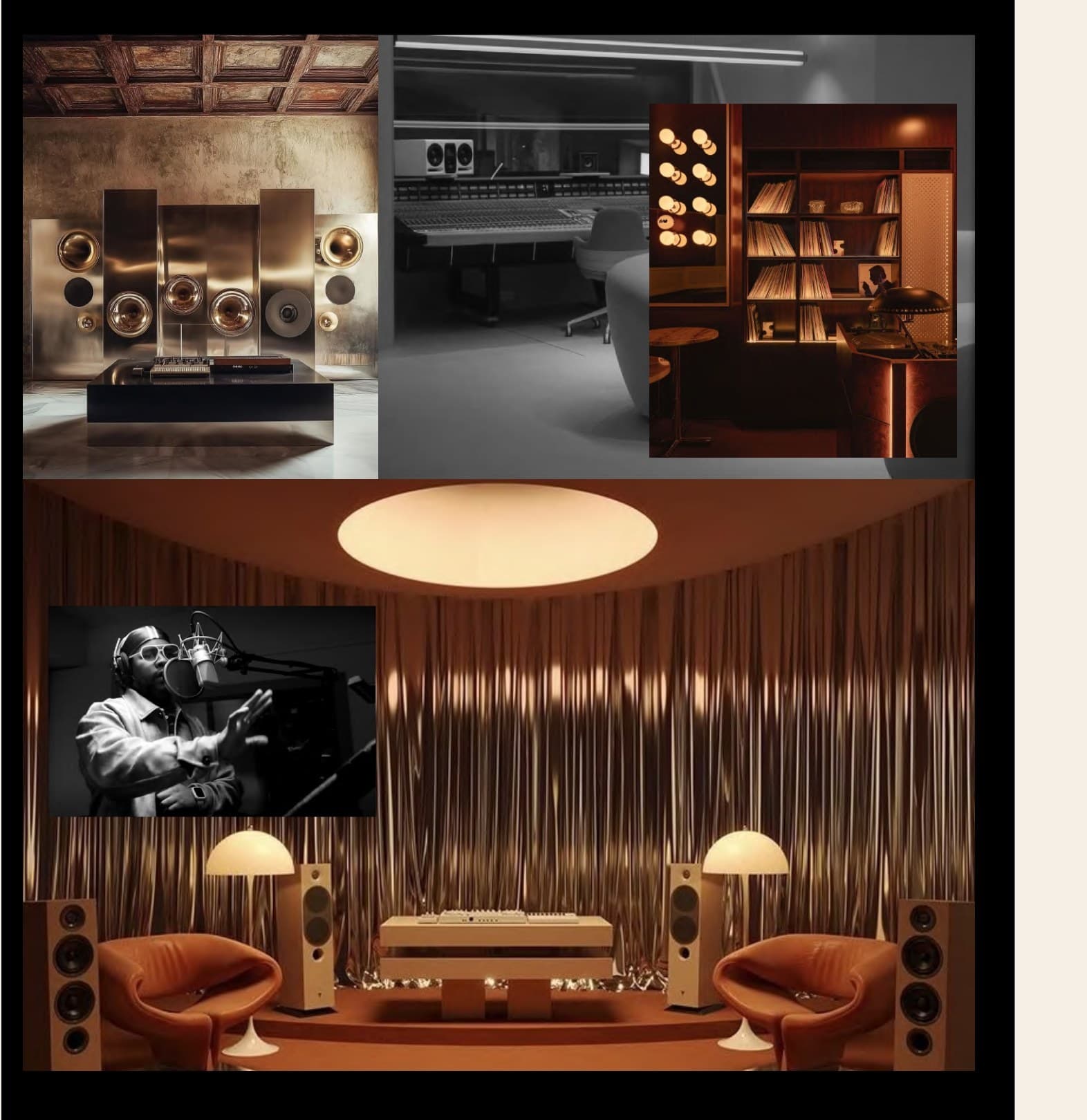
a venue built around a studio.
Most recording studios are acoustically correct but musically dead. Or they have atmosphere but bad sound. Very few achieve both — because the two disciplines have different priors.
Acoustic engineers optimise for measurement: flat response, low RT60, controlled modes. Musicians need a room that feeds back into the performance — air, reflection, controlled liveness, harmonic warmth, a sound that invites playing rather than just capturing it cleanly.
The whole venue is a recording infrastructure when it's not serving food. The main floor records live events. The studio is the dedicated, controlled core. Luvlab designs the audio nervous system — and the living atmosphere — of the entire underground building.
Sight and sound are processed cortically — the brain analyses, compares, judges. Smell travels directly to the limbic system. It triggers memory, emotion, and physiological state before the prefrontal cortex gets a say. These are not aesthetic decisions. They are measurable performance variables.
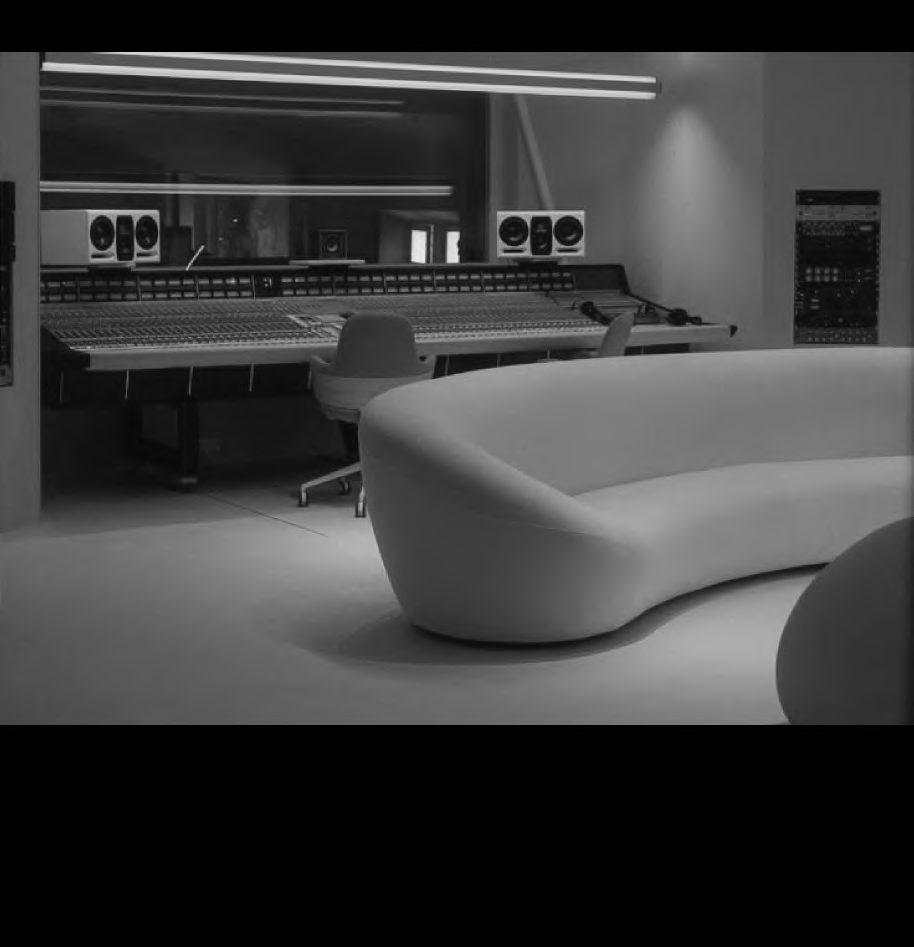
Engineer at the console, monitors, the sightline glass looking into the live room. The most technical of the three. Most focused. The space where decisions are made.
Full broadcast capability — programmable PTZ cameras across the venue, multi-track video and audio synchronised, live streaming, edit-ready capture. Every performance in the main room is capturable from here. ZZ plants at the corners: waxy, architectural, low-light. The garden registers even here — quiet, structural, controlled.
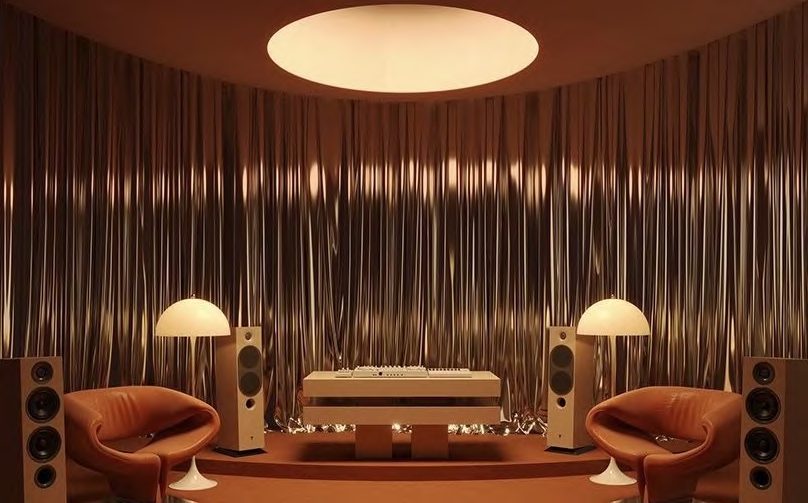
Preserved reindeer moss covers the walls and ceiling panels — acoustic absorber and the texture of a forest floor overhead. Pale ash floor. A Steinway grand piano permanently in residence. The room is designed as an instrument, not a measurement chamber.
Light wells in the ceiling carry simulated daylight that shifts through the day — morning warm low, midday cool overhead, golden hour from the side. A Parans fibre pinpoint brings actual Hanway Place sunlight down from the roof. Hoya and ZZ plants occupy the non-acoustic corners. During a session, when the room drops 40dB below the main floor, the botanical density becomes the dominant sensory presence. The silence here is not dead. It is occupied.
The most planted room in the studio suite. Philodendron trails from the shelving above the kitchenette. Snake plants stand sentinel at the entry. Pothos hangs from the reading corner. The glass wall into the live room is framed in trailing green. The same garden-light register as the live room — continuous, unbroken.
Sofas around a low table, a listening setup, a writing corner, a small kitchenette, a daybed for the long sessions. The 8K screen is always a window by default — live street feed, a chosen landscape, or black. One keystroke turns it into a full workstation. The plants are not decoration. They are why the room feels like home.
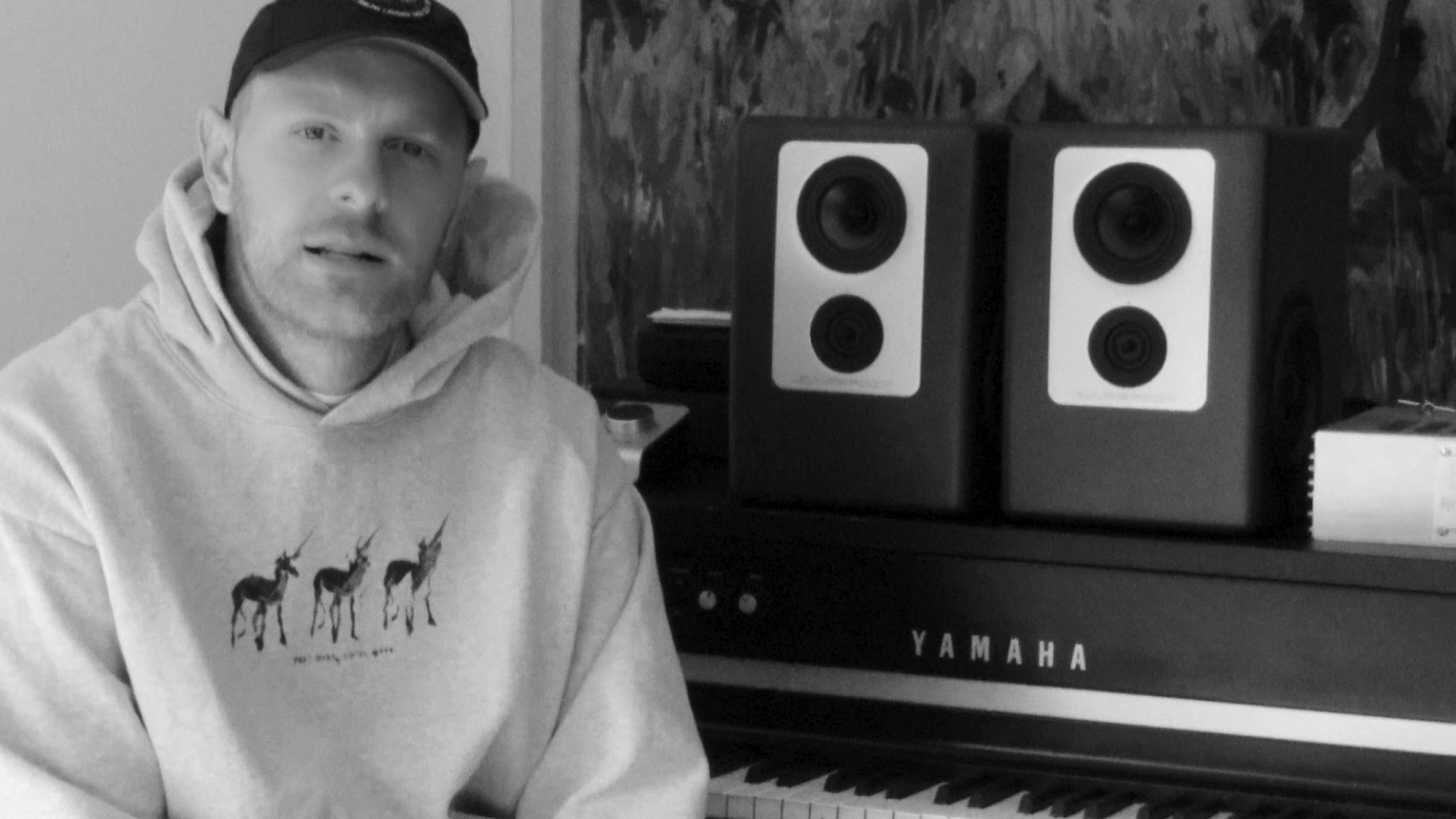
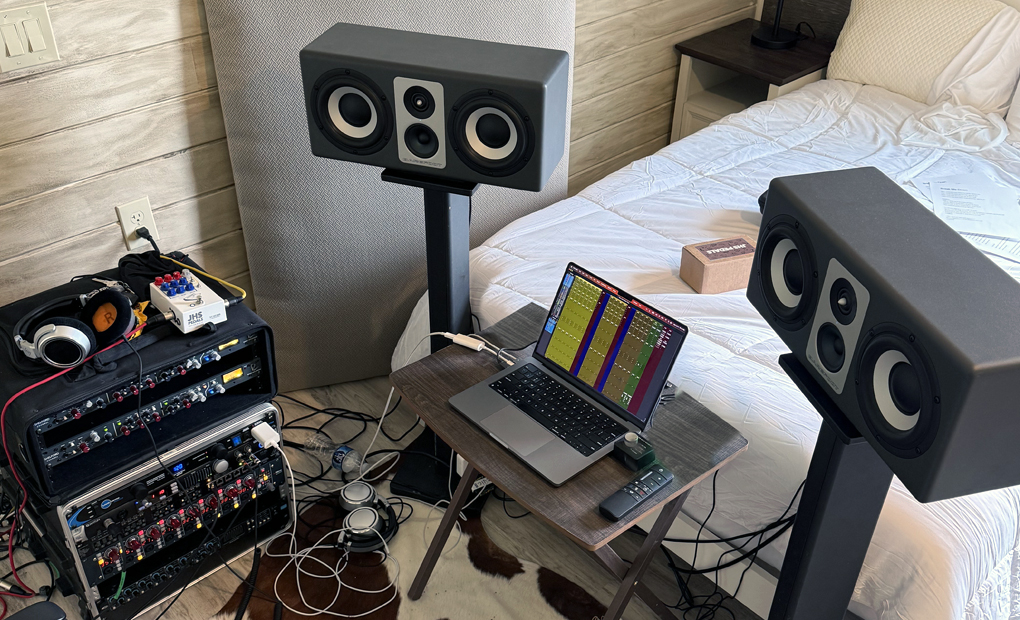
Barefoot Sound monitors throughout — the studio and piano bar control positions. Three-dimensional imaging. The only monitors that tell you exactly what is on the recording, not what you hoped was there.

Natural full-spectrum sunlight captured at the rooftop and piped underground via fibre-optic cable. No heat, no UV loss. A single moving pinpoint of actual London sky in each served room. The body registers it even when the mind does not. Parans (SE) and Himawari (JP) are the established commercial solutions. Luvlab has a proprietary fibre-optic daylight system in development — if specification timelines align, this becomes the in-house solution.
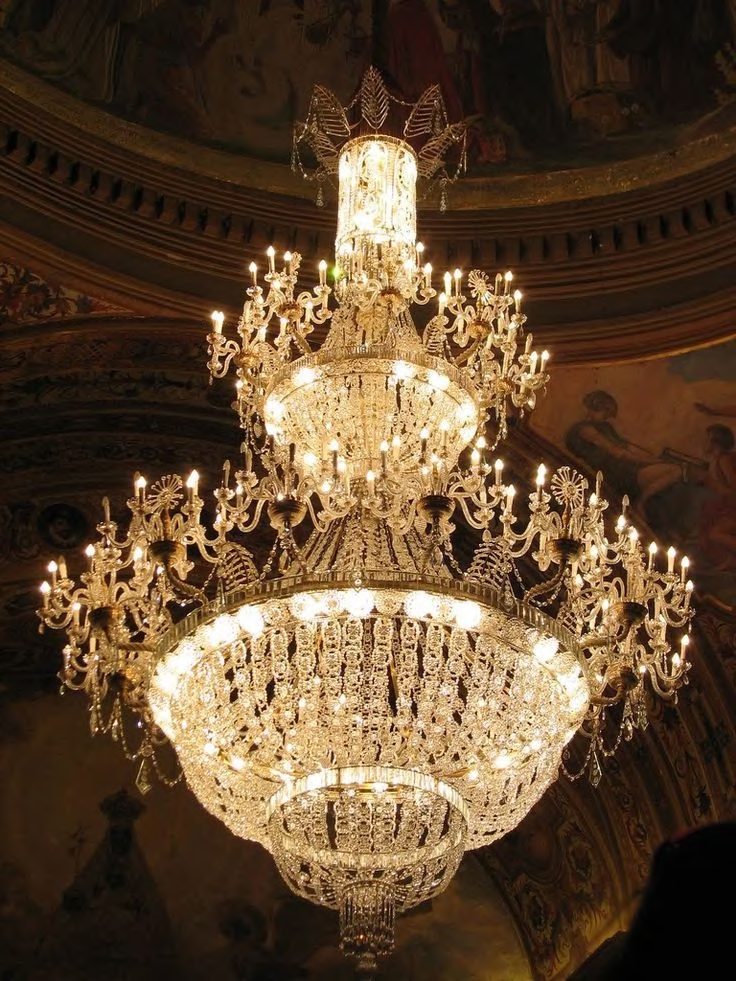
Recessed ceiling panels that reproduce the physics of sunlight through atmosphere — the Rayleigh scattering effect. Broad warm shafts with visible dust-in-beam depth. Not a lamp, not a lightbox: the physical reproduction of outdoor light. The body cannot distinguish it from real sun. Installed as both wide wells and narrow slivers — wide for general zones, narrow slivers for the effect of a rooflight or clerestory gap. The sliver format is the most convincing: a single band of warm light crossing the floor at an angle, casting a true shadow.
A window that is not a window. Live feed of Hanway Place in real time — or any landscape, skyline, or time of day. By default it shows sky. One keystroke and it becomes a full editing workstation. Installed in the live room and artists' lounge. The outside world made available underground, on demand.
Ceiling-mounted projectors cast sparse, slowly moving shadows of tree branches and leaves across the floor, walls, and table surfaces. Not wallpapered — a few drifting shadows, placed with the restraint of dappled sunlight through a forest canopy. The effect reads as 'outside' before the brain has processed why. Integrated with the circadian programme: morning shadows long and angular, midday overhead and diffuse, afternoon raking across the floor. Speed adjustable — barely perceptible drift during dinner, lightly animated for late-night sessions.
MadMapper projection mapping software drives constantly evolving light animations across ceiling, walls, and floor surfaces. Content ranges from slow botanical motion — unfurling fern fronds, drifting pollen — to kinetic geometric abstractions for club nights. Sensors in the room detect movement: animations respond to people walking through zones, to density on the floor, to the pulse of the music. The room is never the same twice. The projection layer is the fifth and most programmable element of the light system — the one that changes with the programme.
The fibre-optic collector requires line-of-sight to open sky. Rooftop installation is the highest-yield position. If landlord roof access is not granted, a facade-mounted collector on the south or west face of the Hanway Place entrance — above head height — is a viable alternative with ~70% of rooftop yield. The conduit runs vertically through the building structure. One collector can feed multiple rooms via a splitter array. Specify collector position with landlord before structural fit-out begins.

A rooftop collector captures full-spectrum natural sunlight and pipes it underground via fibre-optic cable. No UV loss. No heat. A single moving pinpoint of real London sky traces the ceiling of each served room with the actual movement of the sun. Parans (SE) and Himawari (JP) are the proven commercial products. Luvlab is developing a proprietary fibre-optic daylight system — if timelines allow, this becomes the in-house solution and positions it as a demonstrable technology at a live venue.
ONE COLLECTOR FEEDS MULTIPLE ROOMS VIA SPLITTER ARRAY
SPECIFY CAPTURE POINT WITH LANDLORD BEFORE STRUCTURAL FIT-OUT
Ceiling-recessed panels that reproduce the physics of sunlight through atmosphere. Wide wells for general zone fill. Narrow slivers — 8–15cm aperture — for the effect of a rooflight or clerestory gap: a single raking band of warm light crossing the floor at an angle, casting a true hard shadow. The sliver format is the most convincing format for an outdoor illusion. Programmable 2700K–5500K. No window needed.
6–8 WELLS + 2–4 SLIVERS ON MAIN FLOOR · COORDINATE AT FIT-OUT STAGE
Ceiling-mounted gobo projectors cast sparse, slowly moving shadows of tree branches, vines, and leaves across floors, walls, and table surfaces. Placed with restraint — a few drifting touches, not wallpaper. Integrated with the circadian system: morning shadows long and raking, midday diffuse and overhead, afternoon angling across the floor. Shadow direction is coordinated with the Coelux well and sliver angles so the geometry is consistent. The effect reads as 'outside' before the mind has processed why.
COORDINATED WITH COELUX ANGLE PROGRAMMING · SAME LIGHTING DESK
SPEED CONTROL: NEAR-IMPERCEPTIBLE DRIFT → GENTLE ANIMATED MOVEMENT
MadMapper projection mapping software drives constantly evolving light animations across all surfaces. Content is mode-specific: slow botanical animations for dinner service, kinetic geometric abstractions for club nights, pure black for recording sessions. Motion sensors detect people moving through zones — animations respond to presence, density, and the rhythm of the room. The floor, walls, and ceiling become a single programmable canvas. The room is never the same twice.
MODES: DINING · STUDIO SESSION · CLUB NIGHT · PRIVATE EVENT
PROJECTOR POSITIONS SPECIFIED AT FIT-OUT · ALL PUBLIC ZONES

living acoustics.
Preserved reindeer moss as the dominant acoustic absorber. Living plant walls where irrigation allows. Irregular organic surfaces break up reflections in a way no flat panel can — and they change subtly hour by hour. Musicians feel it even when they can't name it.
The walls regulate humidity, oxygenate the air, and bring the garden inside. The room is lit by sky above and breathed by earth on the walls.
QUIET EARTH MOSS (UK) · WILDLEAF (UK)
PARANS (SE) · HIMAWARI (JP) · LUVLAB (UK — IN DEV)
COELUX (IT) · CUSTOM RAYLEIGH DIFFUSERS + SLIVERS
GOBOPLUS (UK) · MOTORISED GOBO RIGS · SHADOW LAYER
MADMAPPER (CH) · REACTIVE PROJECTION MAPPING
darkness and air.
Every plant in the venue is selected on three criteria: low-light survival, air-purifying performance, and structural quality — thick, waxy leaves that hold their form in a subterranean climate and catch the artificial light in the right way. Nothing fragile. Nothing that needs to be replaced. Nothing that performs only in good conditions.
Near-indestructible. Waxy, lacquered dark-green leaves that catch light like polished stone. Thrives in deep shade — no natural light required. One of the most effective air purifiers in low-light conditions. The plant equivalent of cast iron.
Architectural columns of green and silver-yellow. The NASA Clean Air study's top performer. Converts CO₂ to oxygen at night — the only common houseplant that continues purifying after dark. Can survive in near-zero light.
Broad, dark, upright. The Victorians used it in the smokiest, most lightless parlours — underground dining rooms, Victorian clubs, deep interior rooms. Thrives where other plants die. The backbone of the deep-shadow zones.
The trailing canopy. Hangs from shelves, cascades over surfaces, finds light it has no right to find. Waxy, heart-shaped leaves in green and gold. Fast growing. The plant that turns a room into a clearing and a shelf into a forest edge.
The thickest leaves in the palette — almost artificial in their glossy rigidity, waxy like fired ceramic. Trailing and architectural at once. Clusters of star-shaped flowers in the right conditions. Drought-tolerant, low-light, near-indestructible.
White flowers in the dark. Prefers low light and consistent moisture. Among the highest-rated air purifiers — removes benzene, formaldehyde, and trichloroethylene. Quiet, present, unfussy. The plant that suggests bloom without demanding attention.
Lush, fast-growing, dramatic in volume. Heart-shaped leaves in deep green and lime. Trails and climbs with equal ease. Low light, high visual impact. The plant that makes a space feel inhabited rather than installed.
Deep shadow tolerant — one of the few plants that thrives with genuinely minimal light. Variegated leaves: silver, green, occasionally red-flushed. Slow, deliberate growth. The pattern plant: adds visual depth to a dark corner without demanding anything.
Two types of moss, different roles. Preserved Scandinavian reindeer moss — Cladonia rangiferina — is the acoustic backbone: no irrigation, no maintenance, 7–10 year lifespan, absorbs 50–70% of high-frequency reflections. Living moss — Mnium, Hypnum species — in the artist lounge and humid zones: misted twice a week, the smell of a wet forest after rain, underground. Both together: the texture of a forest floor, on the walls, absorbing sound and generating atmosphere simultaneously.











JEKKA'S HERB FARM (UK) — rare culinary herb varieties
PRESERVED MOSS: BENETTI MOSS (NL) · WILDLEAF (UK)
LIVING WALLS: SCOTSCAPE (UK) · BIOTECTURE (UK)
five rooms.
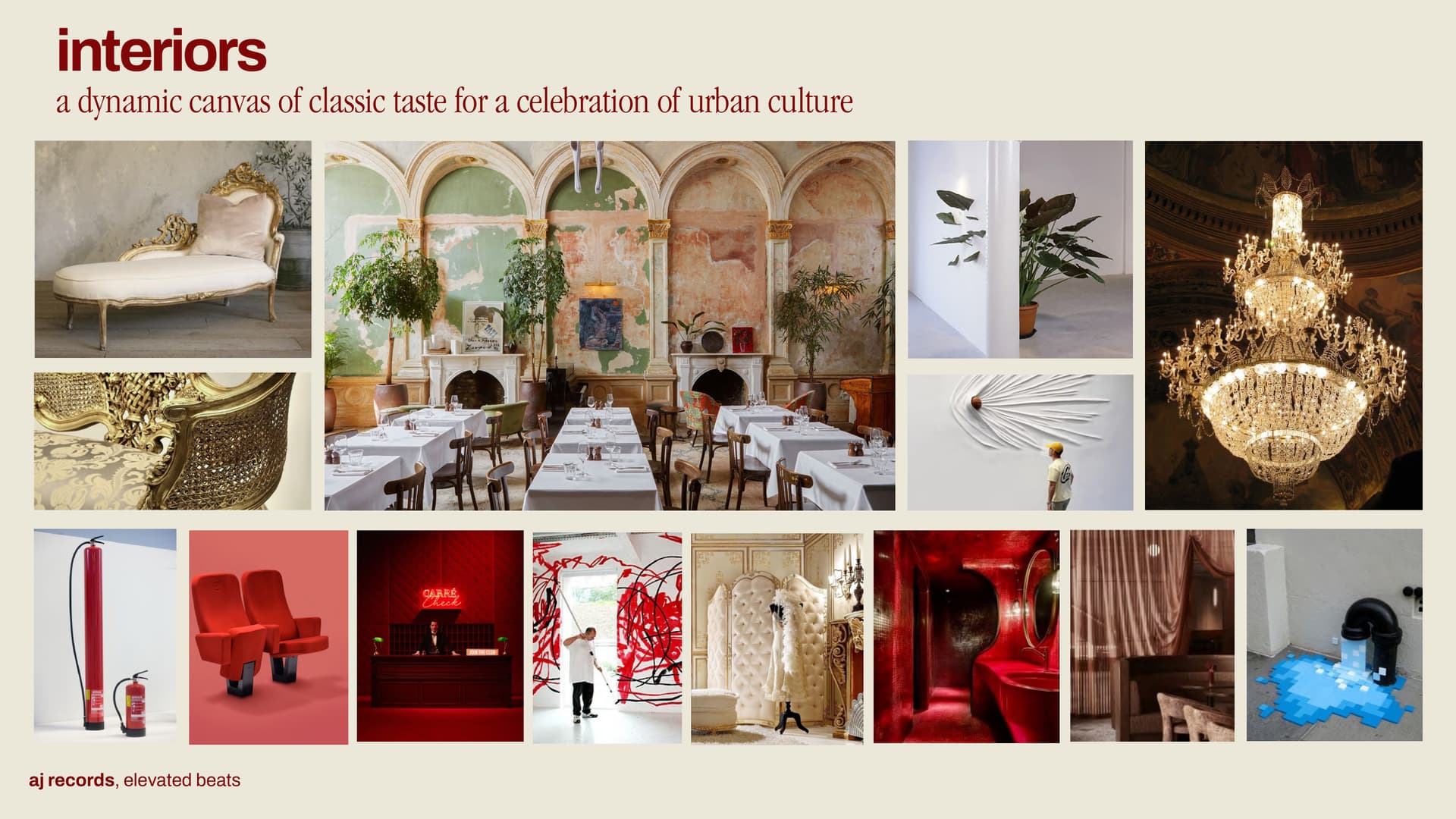
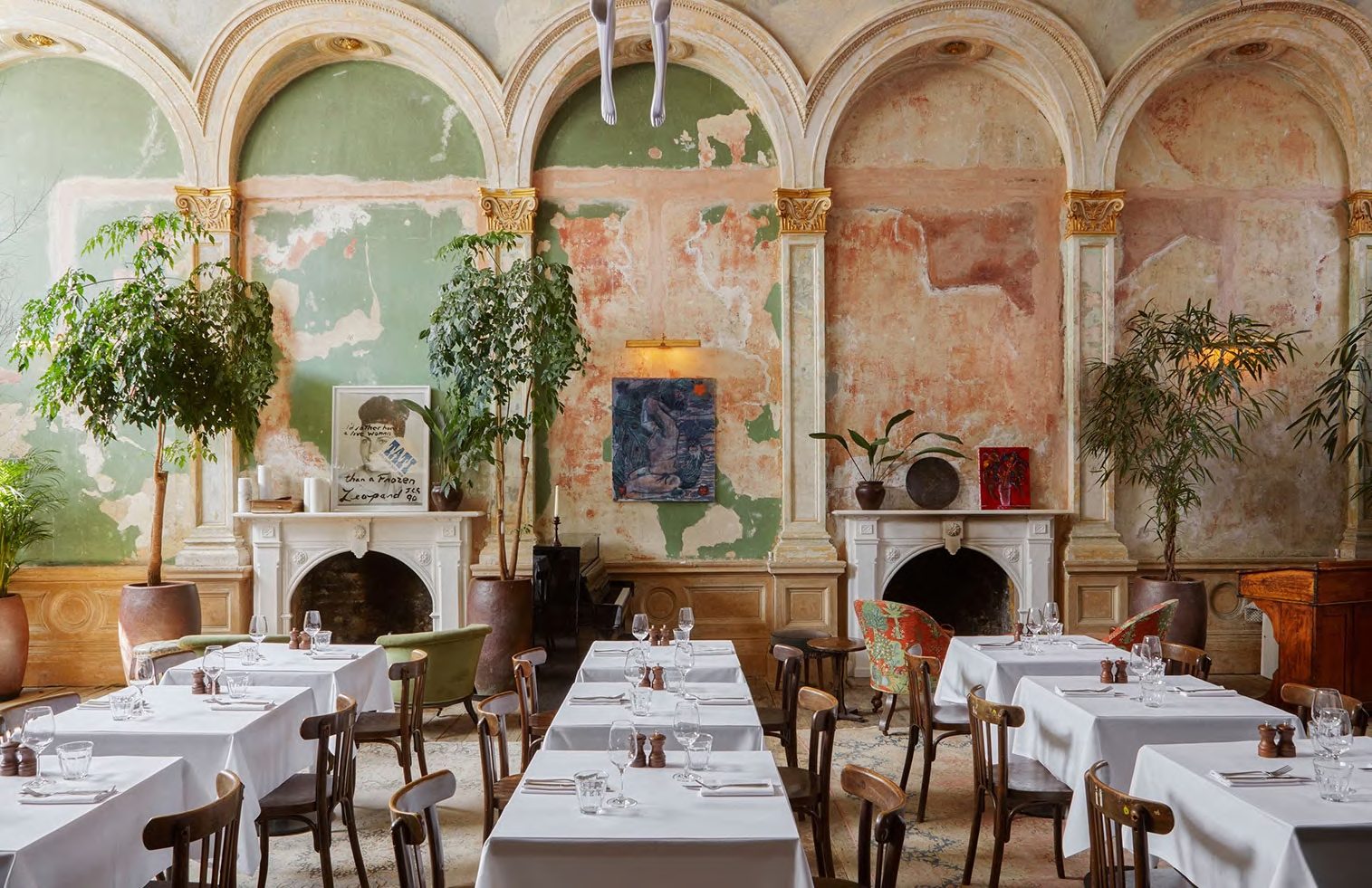
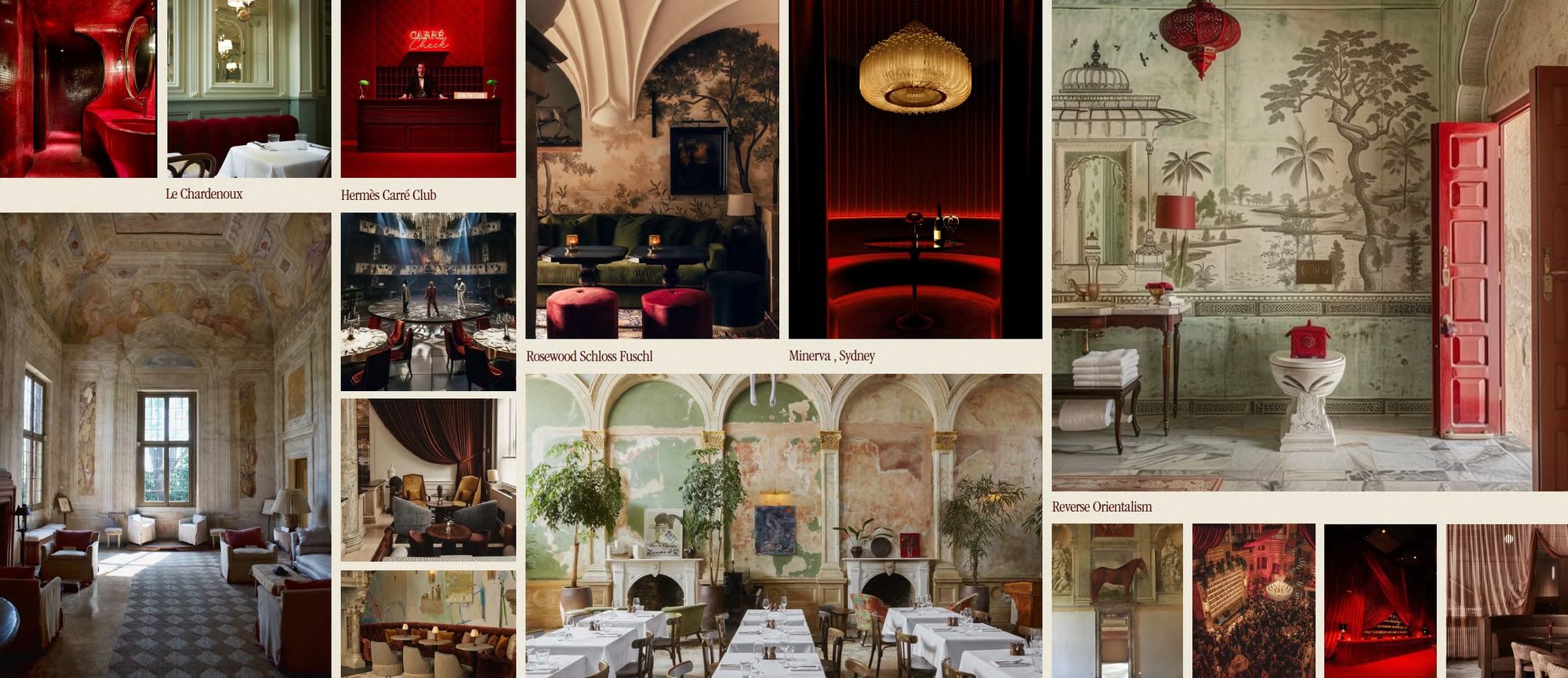
The biophilic design is not a feature of the studio. It is the identity of the whole underground venue. Each space expresses the same concept at a different intensity — from the restaurant floor, where the garden is a backdrop and a mood, to the live room during a session, where it becomes the room itself.
A loose canopy overhead — Philodendron and Pothos trailing from the timber beam grid, dappling the light from the faux sun wells below. ZZ plants as architectural markers at the entry and between table clusters. Peace lilies at booth level, white flowers catching candlelight. The stage backdrop: preserved reindeer moss walls framing the performers in green. Diners feel the garden peripherally — it softens the room without demanding attention.
After 10pm the room transforms. The moss walls are lit differently — warmer, directional, almost amber against the green. The trailing canopy reads as shadow above the dance floor. The botanical elements don't change, but the light reframes them. At 2am in a packed room, the moss walls are the only still thing — and they make the energy feel contained rather than chaotic.
The densest planting in the public venue. Hoya trails over the back bar, waxy leaves lit from behind. Chinese evergreen at low table height — pattern and depth in the intimate corner. Philodendron climbs to the ceiling, framing the pianist from the side. This is the corner of the venue that smells different — the most humid, the most botanical, the closest to being genuinely outside.
The transition room between the city world and the recording world. Snake plants at the entry — architectural, tall, sentinel. Cast iron plants in the deepest corners. Pothos and Philodendron covering the shelving above the kitchenette. The glass wall into the live room framed in trailing green. The 8K window shows sky or street or nothing. A cabin on a green meadow, next to a food forest, by a lake of sound — underground, because it is.
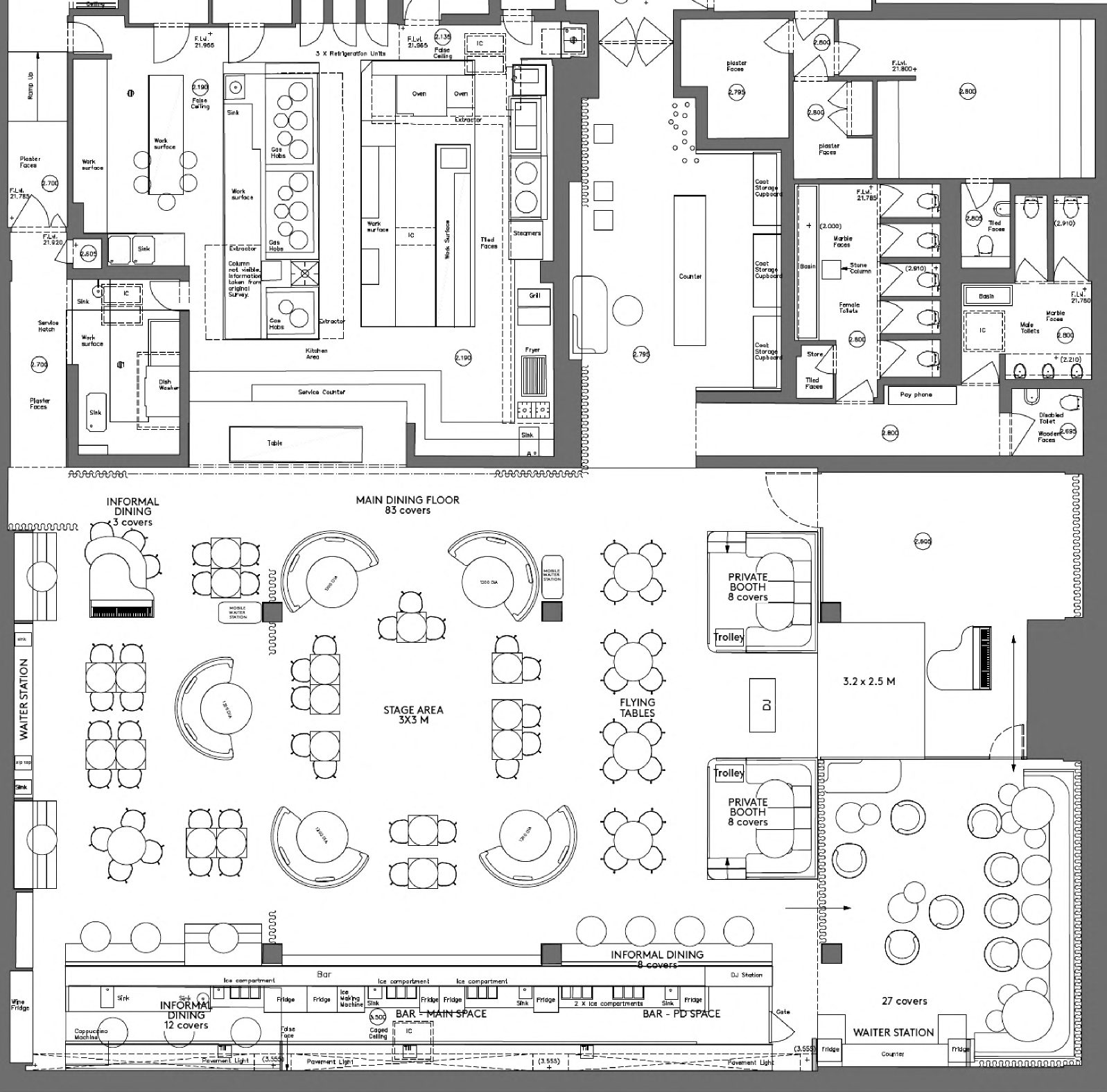
The full venue in live-event mode. The main floor clears. The 3.3m stage deploys. Broadcast-quality PTZ cameras — mounted, ceiling-rigged, handheld. Multi-track video and audio synchronised from the control room. Every angle, every mic, every performance capturable in real time. No audience visible in the record unless agreed otherwise. The sound stage is a Tiny Desk-style production: the room hears it, the archive keeps it, the world sees only what was built for them.
The most interior room in the venue. Preserved reindeer moss covers the walls and ceiling baffles — acoustic absorber first, biophilic element second. ZZ plants in the corners, waxy and architectural, catching the Parans pinpoint of real London light. During a session the room drops 40dB+ below the main floor. Ambient sound disappears. The Parans light shifts slowly with the real weather above. The moss becomes the most present texture in the room. The plants are no longer backdrop — they are the room. Artists who have worked in botanical studios describe the same thing: the silence is different. It is occupied silence, not dead silence. The garden breathes.
of the entire building.
The studio control room can route any zone of the venue. Every performance in the main room, every session at the piano bar, every private event — all capturable, mixable, and streamable from a single position. The venue is one large recording and production infrastructure that occasionally serves dinner.




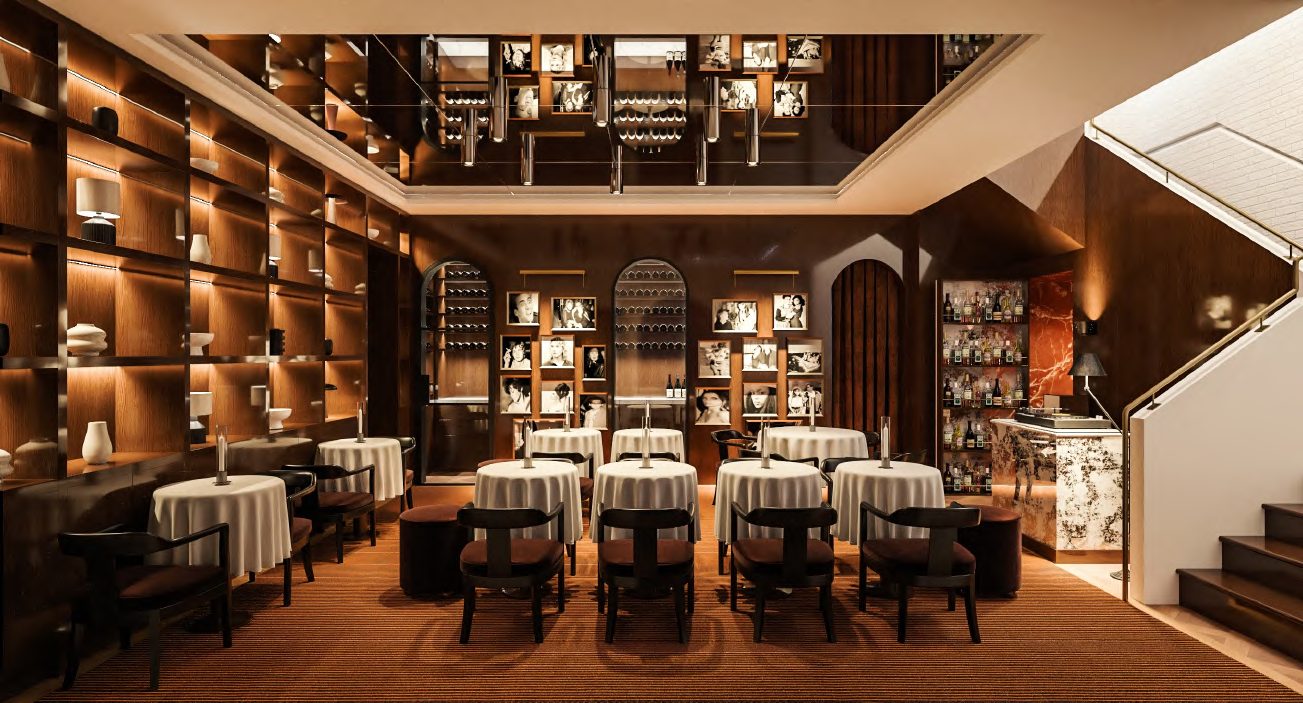
Studio at one end. Piano bar at the other. The dining room and stage between them. One axis runs the full length of the venue — recorded and amplified from the same control room. Two musical anchors, one production infrastructure. Both wrapped in the same underground garden.
Dedicated, controlled, intimate. Box-in-box soundproofing. Free of charge for emerging talent. The heart of the project — the cultural promise made good. Moss walls, Steinway, the Parans pinpoint of London sky.
Late-night, acoustic, versatile. Intimate set or jam session or secondary stage. Routable to the studio for live capture. The most botanically dense corner of the public venue — hoya, philodendron, a room that smells like outside.
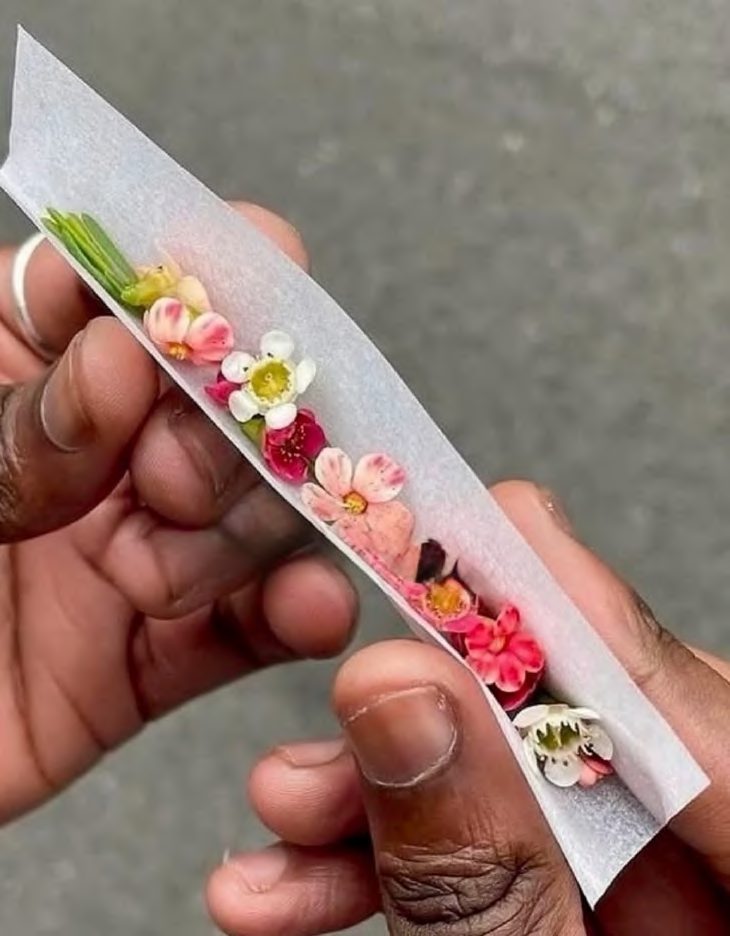
All kitchen herbs are perennial — they don't need replacing. They live with the venue. They grow with the programme.
you step outside.”
Luvlab designs living instruments — spaces where the acoustic, the atmospheric, and the architectural are inseparable. This studio is not built around a spec sheet. It is built around a feeling. Underground, breathing, outside.